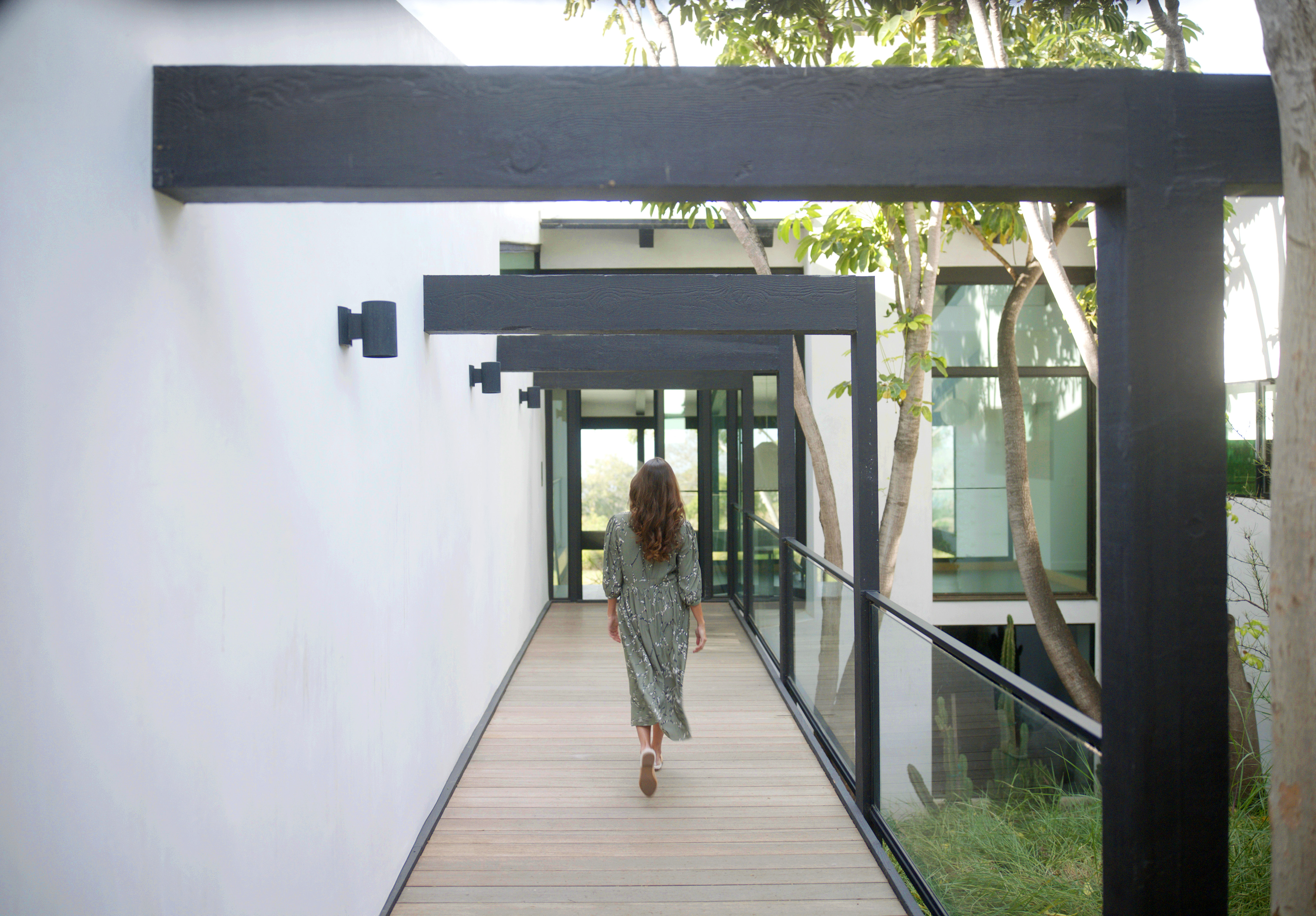
The concept of universally designed homes is a transformative approach that goes beyond aesthetics, focusing on creating living spaces that are accessible and accommodating for people of all abilities. In this exploration, we delve into the principles of universal design and the profound benefits it offers to individuals with disabilities or special needs, ultimately fostering inclusivity and enhancing the quality of life for everyone.
Defining Universal Design:
-
Universal design is a design philosophy that seeks to create environments that are usable by people of all ages, abilities, and backgrounds. In the context of homes, this means crafting living spaces that are inherently accessible to everyone, regardless of physical limitations or special needs.
Adaptable Architecture:
-
Universally designed homes prioritize flexibility and adaptability. Adjustable features, such as adjustable countertops and cabinets, allow for customization to accommodate varying needs. This adaptability ensures that homes can evolve with the changing requirements of individuals over time.
Inclusive Spaces:
-
The design of universally accessible homes emphasizes inclusivity in all areas. Wide doorways, ramps, and level entries eliminate physical barriers, enabling easy navigation for individuals using mobility aids such as wheelchairs or walkers. Inclusive spaces promote a sense of belonging and independence.
Accessible Technology Integration:
-
Universally designed homes often incorporate smart home technologies to enhance accessibility. Automated systems for lighting, temperature control, and security can be customized to suit the specific needs of individuals with disabilities, providing greater autonomy in daily living.
Safe and Navigable Bathrooms:
-
The bathroom is a critical space where universal design can make a significant impact. Features such as roll-in showers, grab bars, and non-slip flooring enhance safety and accessibility, catering to the needs of individuals with mobility challenges.
Multi-Sensory Considerations:
-
Universal design extends beyond physical accessibility to consider sensory needs. Homes can be designed to accommodate various sensory preferences, such as incorporating ample natural light, minimizing glare, and utilizing materials that appeal to different tactile sensitivities.
Incorporating Universal Design Principles in Construction:
-
Architects and builders play a crucial role in implementing universal design principles during the construction phase. By considering the needs of diverse users from the outset, homes can be constructed with features that seamlessly integrate accessibility into their overall design.
Enhancing Quality of Life:
-
The ultimate benefit of universally designed homes is the significant enhancement of the overall quality of life for individuals with disabilities or special needs. These homes empower residents to live more independently, participate fully in their communities, and enjoy a greater sense of freedom and dignity.
Conclusion:
In conclusion, the concept of universally designed homes represents a fundamental shift towards creating living spaces that prioritize inclusivity and accessibility. By embracing this approach, we move closer to a world where homes are not only aesthetically pleasing but also inherently welcoming to individuals of all abilities, fostering a society where everyone can live, work, and thrive together.


