


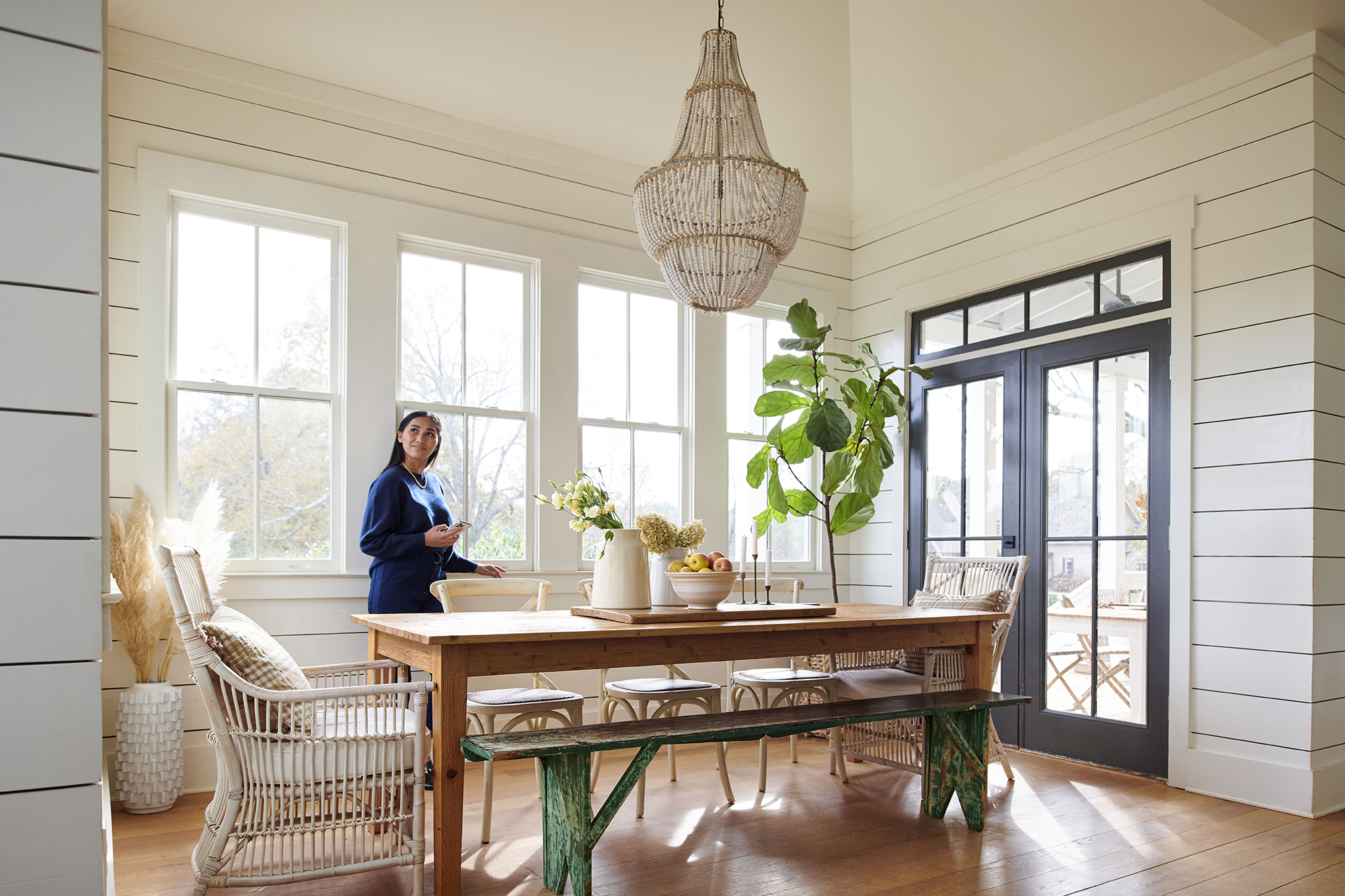
In the pursuit of a happy and healthy lifestyle, the significance of our living environment cannot be overstated. Beyond mere aesthetics, the design of our living spaces plays a crucial role in influencing both our physical and mental well-being. This exploration delves into the ways in which thoughtful living space design can contribute to a harmonious and nurturing atmosphere that fosters overall wellness.
Natural Light and Mood:
-
The inclusion of ample natural light within living spaces has been linked to improved mood and increased energy levels. Research suggests that exposure to natural sunlight can positively affect serotonin levels, contributing to a sense of well-being and happiness. Designing spaces that maximize natural light through well-placed windows and open layouts can significantly impact the emotional tone of a home.
Colors and Psychological Impact:
-
The choice of colors in interior design can evoke various emotions and moods. Soft, muted tones can create a calming atmosphere, while vibrant colors may stimulate creativity and energy. Understanding the psychological impact of colors allows homeowners to tailor their living spaces to promote specific feelings, ultimately influencing mental well-being.
Open and Functional Layouts:
-
The layout of a home can greatly impact how individuals navigate and interact with their living spaces. Open and functional layouts can enhance a sense of connection and ease of movement. By eliminating unnecessary barriers and promoting flow, living spaces become more inviting, reducing feelings of confinement and stress.
Incorporating Nature Indoors:
-
Bringing elements of nature indoors, such as indoor plants or natural materials, has been associated with various health benefits. The presence of greenery can improve air quality, reduce stress, and enhance cognitive function. Integrating natural elements into living spaces connects residents with the outdoors, fostering a sense of tranquility and well-being.
Comfortable and Ergonomic Furnishings:
-
The choice of furniture and its arrangement can impact physical comfort and, consequently, mental well-being. Ergonomically designed furnishings promote proper posture and reduce the risk of physical discomfort. Creating spaces that prioritize comfort contributes to a positive and relaxed atmosphere.
Clutter-Free Environments:
-
A clutter-free living space can have a significant impact on mental well-being. Disorder and excess clutter have been linked to increased stress levels and decreased overall satisfaction with one's living environment. Organized spaces promote a sense of calm and control, positively influencing mental health.
Conclusion:
In conclusion, the design of living spaces is a powerful tool that can either support or hinder our physical and mental well-being. By prioritizing elements such as natural light, color psychology, open layouts, nature integration, comfortable furnishings, and clutter-free environments, individuals can create homes that not only look aesthetically pleasing but also contribute to a holistic sense of wellness. Recognizing the connection between design and well-being empowers homeowners to make intentional choices that enhance their overall quality of life.
:format(webp):quality(80)/u.realgeeks.media/walkerrealestategroupoc/Facebook.png)
:format(webp):quality(80)/u.realgeeks.media/walkerrealestategroupoc/YouTube.png)
:format(webp):quality(80)/u.realgeeks.media/walkerrealestategroupoc/Zillow.png)