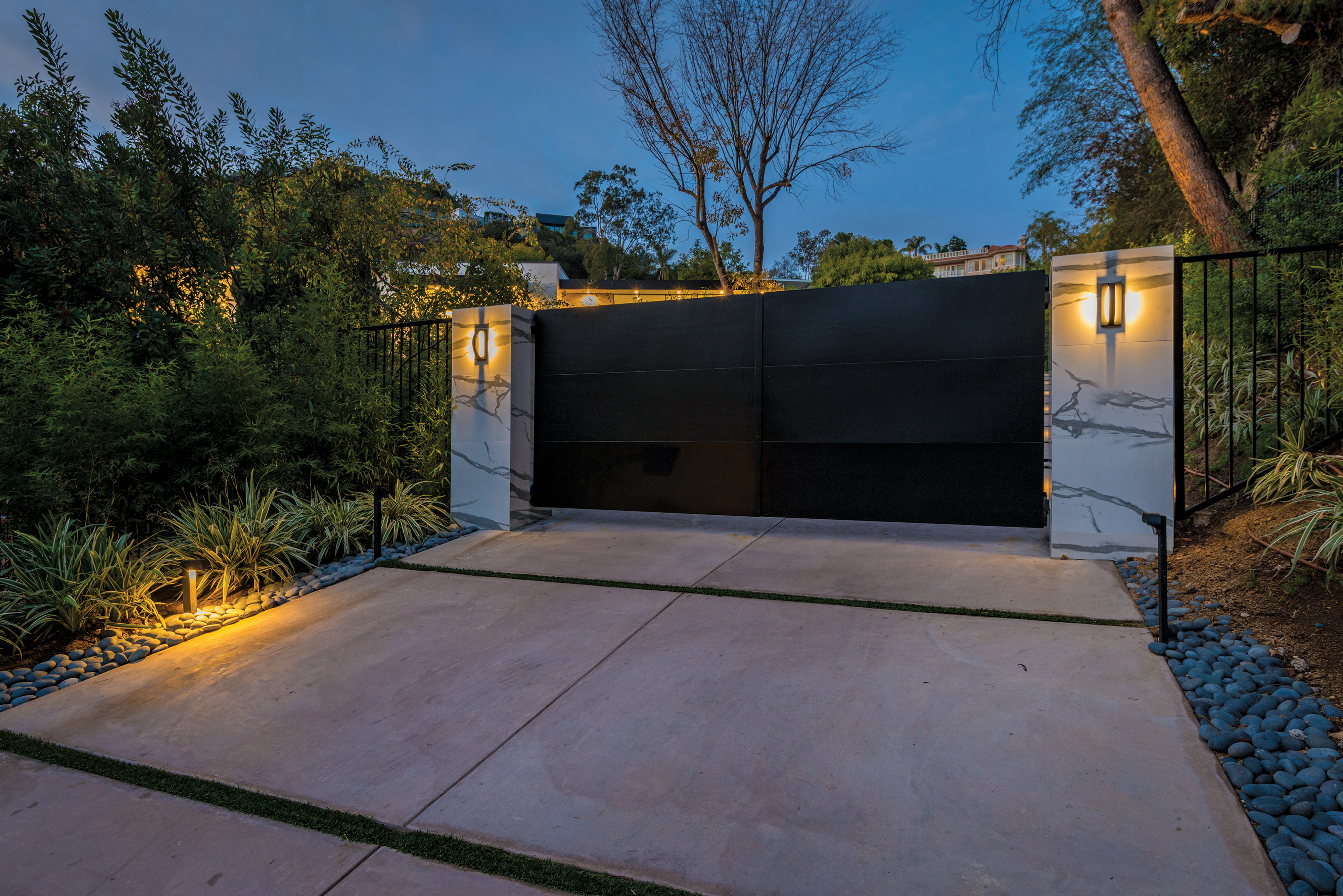
In today's fast-paced world, ensuring the safety and security of your home has never been more important. With advancements in technology, there are numerous options available to homeowners to protect their homes from potential threats. This blog will explore various aspects of home security, ranging from basic safety tips to the latest smart home security systems, providing you with a comprehensive guide to keeping your home and loved ones safe.
1. Assessing Vulnerabilities
Before diving into the world of high-tech security systems, it's essential to assess your home's vulnerabilities. Conduct a thorough evaluation of your property, identifying potential entry points and weak spots. This might include outdated locks, poorly lit areas, or overgrown shrubbery that can provide cover for intruders.
2. Strengthening Entry Points
Upgrade your doors and windows with high-quality locks and deadbolts. Consider installing a peephole and reinforce door frames to prevent forced entry. Reinforcing windows with laminated glass or security film can make it difficult for intruders to break in. Also, don't forget about garage doors – they should be secure too.
3. Adequate Lighting
Well-lit homes deter burglars. Install motion-activated lights around your property, especially near entrances and pathways. Smart lighting systems allow you to control your lights remotely, giving the illusion of an occupied home even when you're away.
4. Smart Security Systems
Modern technology has brought us smart home security systems that offer a wide array of features. These systems often include security cameras, doorbell cameras, motion sensors, and alarms. Many of them allow remote monitoring via smartphone apps, giving you real-time updates and the ability to alert authorities if necessary.
5. Home Automation
Integrate your security system with home automation. Smart locks, thermostats, and surveillance cameras can be controlled remotely, providing convenience and enhancing security. You can even set up routines that simulate your presence at home, making it difficult for potential intruders to determine if you're away.
6. Alarm Systems
Consider installing a monitored alarm system that connects directly to a security company. These systems can automatically alert the authorities in the event of a break-in, ensuring a swift response.
7. Neighborhood Watch and Community Involvement
Joining or forming a neighborhood watch group fosters a sense of community and encourages residents to look out for one another. Exchange information about suspicious activities and share home security tips.
8. Emergency Preparedness
Prepare for emergencies such as natural disasters or power outages. Have a backup power source for your security system, stock up on essentials, and have a family emergency plan in place.
9. Secure Your Digital Life
In the age of smart homes, it's crucial to secure your digital devices and networks. Change default passwords, use strong, unique passwords for each device, and regularly update your software to protect against cyber threats.
Conclusion
Investing in home security is an investment in your peace of mind. By combining traditional methods with modern technology, you can create a robust security system tailored to your needs. Remember, no security measure is too small, and staying informed about the latest trends and technologies in home security can make a significant difference in keeping your home and family safe. Stay proactive, stay safe!


