


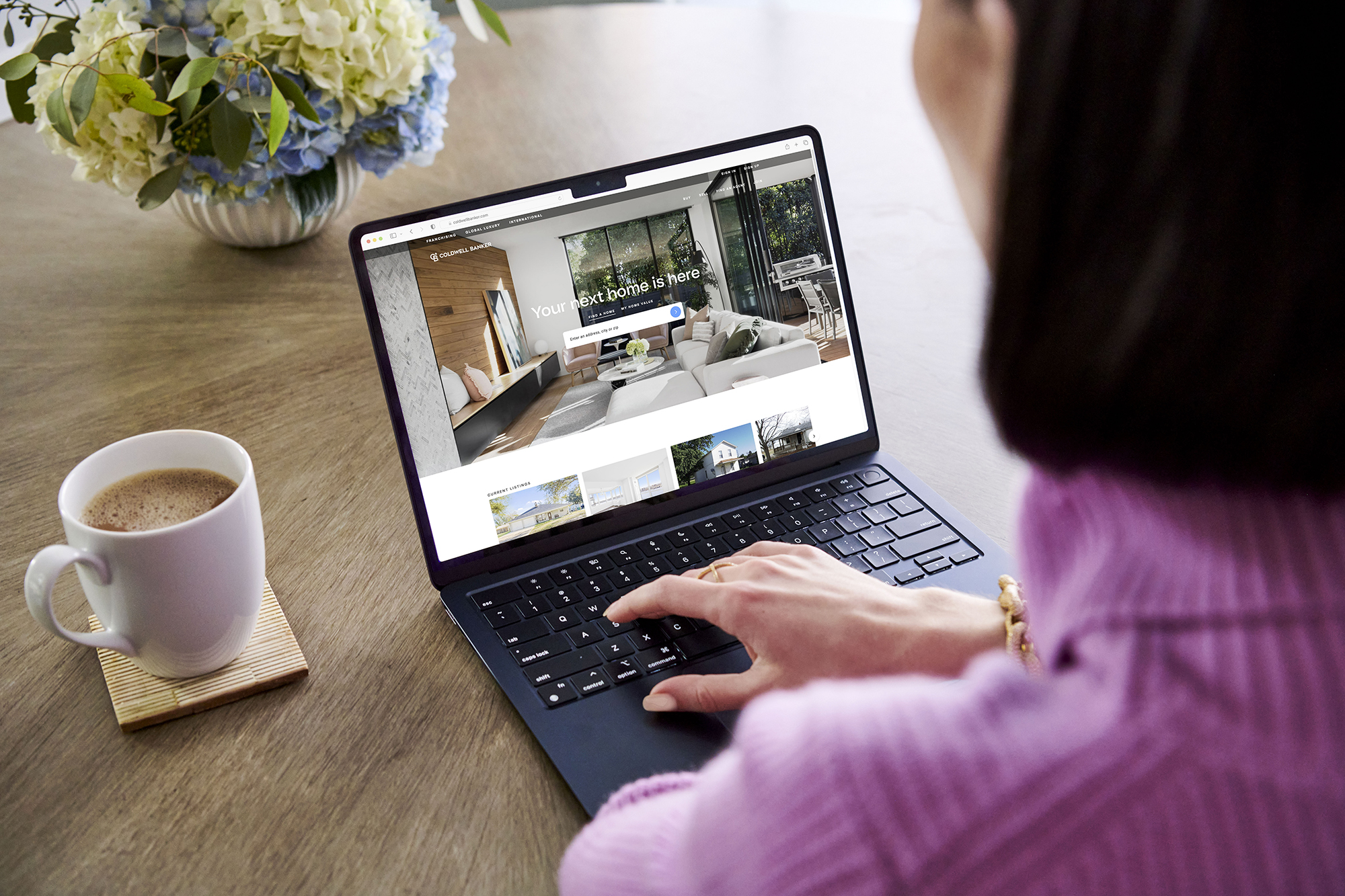
In the ever-evolving landscape of real estate, technological innovations have not only become catalysts for change but have also revolutionized the way properties are bought and sold. Among these transformative advancements, virtual tours, augmented reality, and other cutting-edge technologies are reshaping the real estate industry, providing a dynamic and immersive experience for both buyers and sellers.
Virtual Tours: Opening Doors to Digital Exploration:
Gone are the days when prospective buyers relied solely on static images and floor plans to envision a property. Virtual tours have emerged as a game-changer, allowing potential buyers to digitally step inside homes from the comfort of their own. These 3D tours provide an interactive experience, enabling users to explore each room, examine details, and gain a realistic sense of the property's layout. This not only saves time for both buyers and sellers but also enhances the decision-making process by offering a more comprehensive view of a home.
Augmented Reality: Bringing Properties to Life:
Augmented reality (AR) is transforming the way buyers interact with the physical world. In real estate, AR applications enable users to overlay digital information onto the real environment through their smartphones or AR glasses. Prospective buyers can visualize potential changes to a property, such as renovations or redecorations, before making a commitment. This innovative technology bridges the gap between imagination and reality, empowering buyers to make informed decisions with a clearer understanding of a property's potential.
Immersive 360-Degree Photography: A Window to the World:
High-quality, 360-degree photography has become a standard in the real estate industry. These immersive images offer a panoramic view of both the interior and exterior of a property, providing potential buyers with a comprehensive sense of space and surroundings. Whether it's showcasing the grandeur of a living room or the tranquility of a backyard oasis, immersive photography captivates audiences and elevates the online browsing experience.
Virtual Staging: Transforming Empty Spaces into Homes:
Virtual staging has emerged as a creative solution for presenting vacant homes in their best light. Through the use of digital furniture and decor, virtual staging transforms empty spaces into warm, inviting homes. This not only helps potential buyers visualize the possibilities but also highlights the full potential of a property, making it more appealing in the competitive real estate market.
Remote Collaboration and Consultations:
Technology is breaking down geographical barriers, allowing real estate professionals to collaborate with clients seamlessly, regardless of location. Virtual meetings, online consultations, and collaborative platforms enable buyers, sellers, and agents to communicate effectively, share information, and make decisions without the need for physical presence. This not only enhances efficiency but also accommodates the evolving preferences of today's tech-savvy clientele.
Conclusion:
The integration of virtual tours, augmented reality, and other technological advancements has undeniably elevated the real estate experience. As we navigate the virtual frontier, these innovations are not just tools; they are windows into the future of property exploration. By providing immersive, interactive, and convenient solutions, technology is transforming the way we buy and sell homes, creating a more dynamic and accessible real estate landscape for everyone involved. Embracing these advancements isn't just about staying current; it's about unlocking new possibilities and reshaping the way we envision the places we call home.
:format(webp):quality(80)/u.realgeeks.media/walkerrealestategroupoc/Facebook.png)
:format(webp):quality(80)/u.realgeeks.media/walkerrealestategroupoc/YouTube.png)
:format(webp):quality(80)/u.realgeeks.media/walkerrealestategroupoc/Zillow.png)