


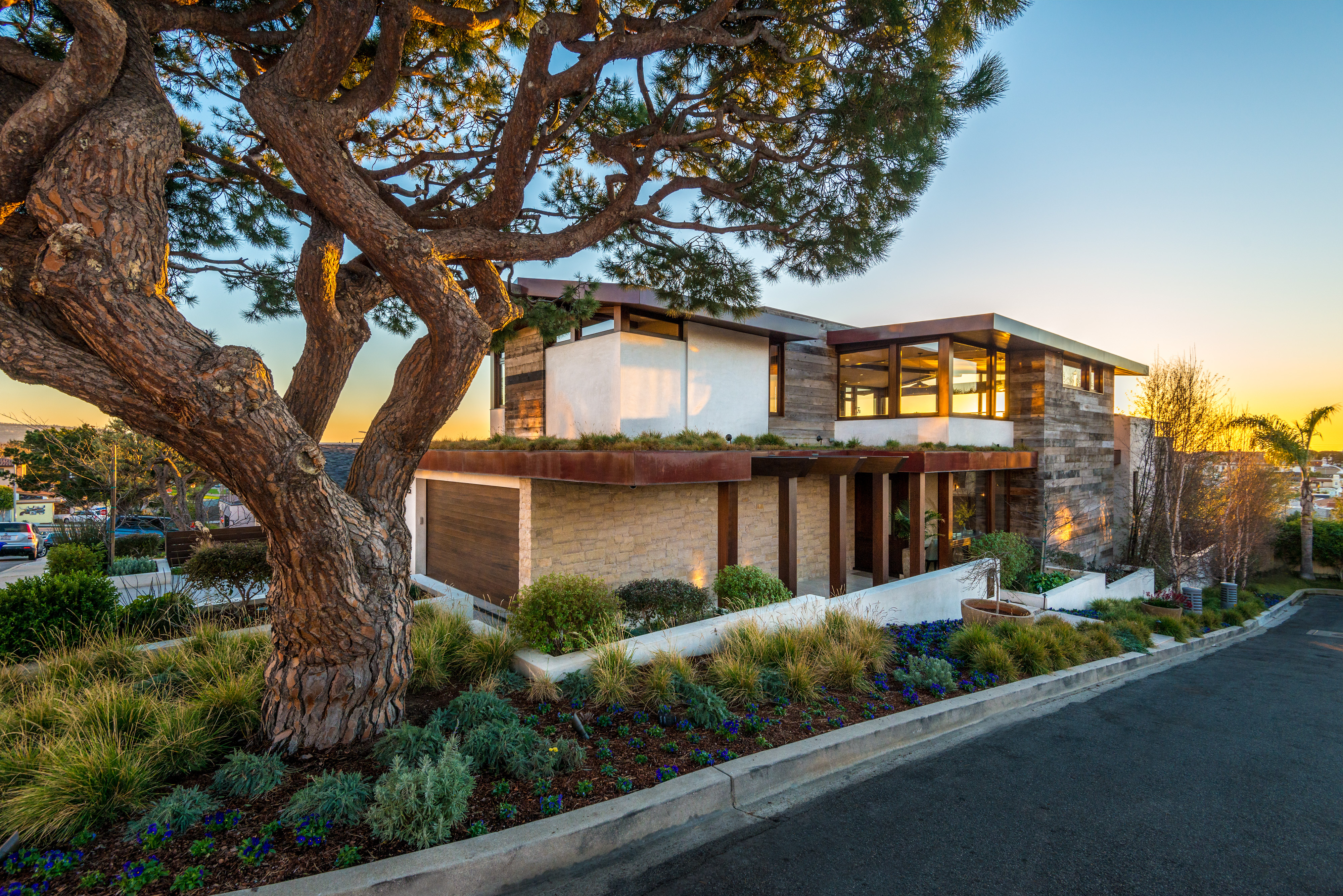
The construction industry is undergoing a transformative shift towards sustainability, driven by a growing awareness of environmental impact and a commitment to eco-friendly practices. In this exploration, we shine a spotlight on sustainable and eco-friendly building materials that are reshaping the landscape of real estate construction. By delving into the benefits for both the environment and homeowners, we uncover the positive influence these materials have on the way we build and inhabit our homes.
Bamboo: A Versatile Green Giant:
Bamboo, a rapidly renewable resource, has gained prominence in construction for its impressive strength and versatility. It serves as an eco-friendly alternative for various applications, including flooring, furniture, and even structural components. Its fast growth, renewability, and minimal environmental impact make it a sustainable choice for conscientious builders.
Recycled Steel: Reinforcing Environmental Stewardship:
Recycled steel has emerged as a durable and environmentally responsible choice for construction. Its use significantly reduces the environmental impact associated with traditional steel production. From framing to roofing, recycled steel reinforces structures while promoting resource conservation and sustainability.
Recycled Glass: From Waste to Aesthetic Wonder:
Repurposing glass waste in construction not only addresses environmental concerns but also contributes to visually appealing and sustainable designs. Recycled glass finds new life in countertops and decorative tiles, showcasing its ability to enhance aesthetics while reducing the energy demands of manufacturing.
Hempcrete: Building with Green Fibers:
Hempcrete, a mixture of hemp fibers, lime, and water, has gained attention for its insulation properties and carbon sequestration potential. Beyond its environmental benefits, hempcrete creates healthier indoor environments, making it a promising choice for eco-conscious builders.
Straw Bales: A Natural Insulator:
Straw bales, often overlooked in traditional construction, are making a comeback as a natural insulating material. Recognized for their energy efficiency, cost-effectiveness, and minimal environmental impact, straw bales are reshaping the narrative of sustainable building practices.
Cork: The Sustainable Flooring Choice:
Cork, harvested from cork oak trees, serves as a sustainable flooring material. Apart from its renewable source, cork offers insulation properties and positively contributes to the biodiversity of cork oak forests. Its use aligns with the principles of sustainability and responsible resource management.
Reclaimed Wood: Rescuing Beauty from the Past:
Reclaimed wood, sourced from old buildings and structures, not only exudes charm but also promotes sustainability. Its use in flooring, furniture, and accent features showcases the beauty of repurposed materials while minimizing the demand for new timber.
Rammed Earth: Ancient Wisdom Meets Modern Sustainability:
Rammed earth, an ancient building technique, involves compacting natural materials like earth, chalk, lime, or gravel to form walls. Known for its thermal mass properties, energy efficiency, and minimal environmental impact, rammed earth represents a harmonious blend of tradition and modern sustainability.
Solar Tiles: Merging Energy Generation with Construction:
Solar tiles seamlessly integrate into roofing materials, providing both functional and aesthetic benefits. By harnessing solar energy to power homes, these tiles contribute to renewable energy solutions while maintaining the architectural integrity of the building.
Living Roofs: Greening the Skyline:
Living roofs, or green roofs, cultivate vegetation on building rooftops, offering insulation benefits, stormwater management, and a positive contribution to urban biodiversity. This innovative approach transforms rooftops into green spaces, blending environmental consciousness with architectural design.
Benefits for the Environment and Homeowners:
Reduced Carbon Footprint:
-
Sustainable materials often have a lower carbon footprint compared to traditional counterparts, contributing to the reduction of greenhouse gas emissions.
Energy Efficiency:
-
Many eco-friendly materials offer improved energy efficiency, leading to lower utility bills and a smaller environmental impact over the lifespan of a building.
Healthier Indoor Environments:
-
Eco-friendly materials are often associated with better indoor air quality, promoting healthier living environments for homeowners.
Resource Conservation:
-
Using recycled or rapidly renewable materials helps conserve natural resources, mitigating the environmental impact of construction.
Increased Property Value:
-
Homes constructed with sustainable materials may see increased property values, reflecting the growing demand for eco-friendly and energy-efficient living spaces.
In conclusion, the adoption of sustainable and eco-friendly building materials is not just a trend but a fundamental shift towards a more responsible and conscious approach to construction. As these materials become more accessible, the benefits for the environment and homeowners alike are clear — from reduced environmental impact to healthier, more efficient, and aesthetically pleasing living spaces that embrace the principles of sustainability.
:format(webp):quality(80)/u.realgeeks.media/walkerrealestategroupoc/Facebook.png)
:format(webp):quality(80)/u.realgeeks.media/walkerrealestategroupoc/YouTube.png)
:format(webp):quality(80)/u.realgeeks.media/walkerrealestategroupoc/Zillow.png)