


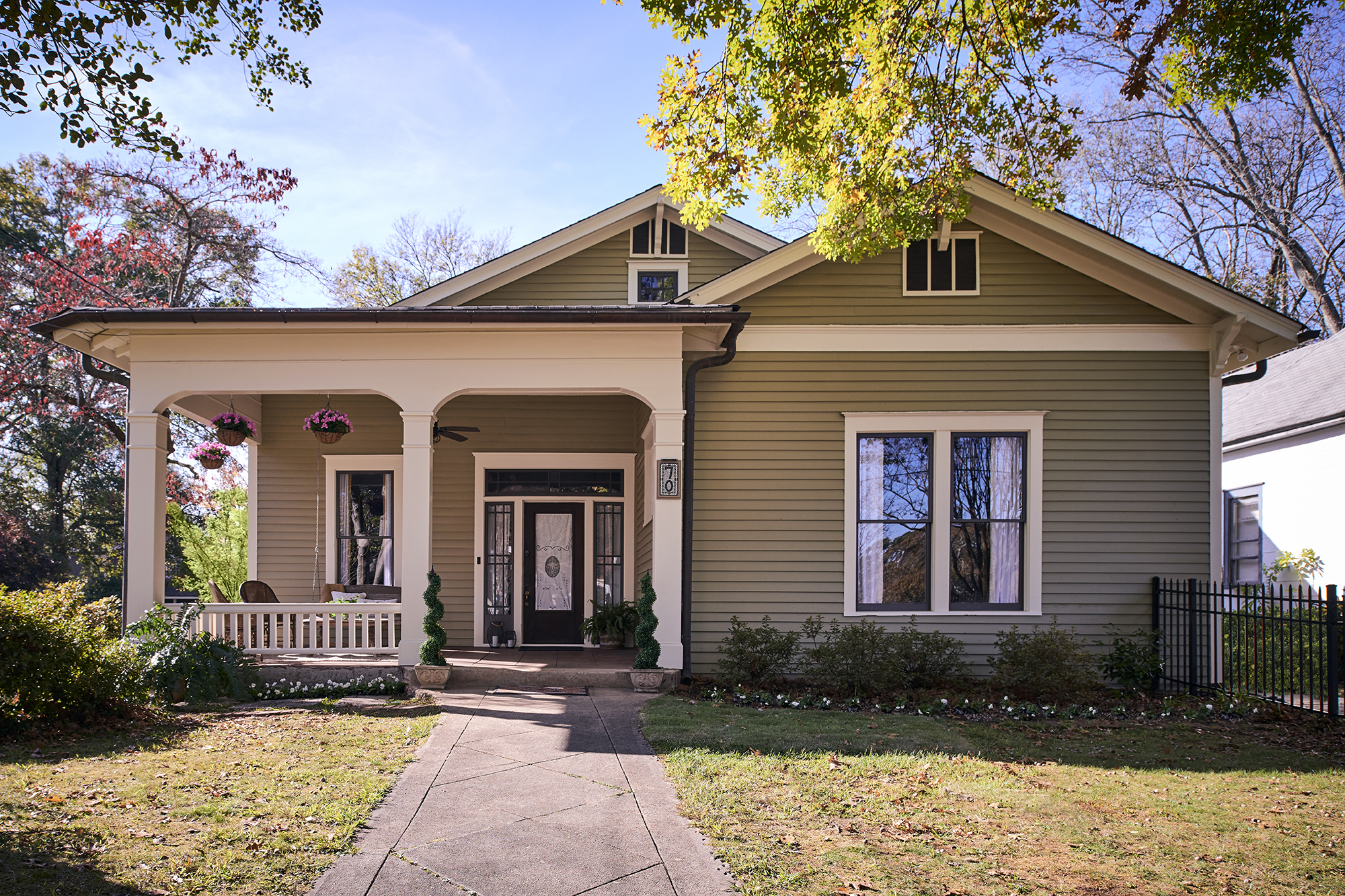
Are you considering diving into the world of real estate investment? Buying foreclosed properties can be a lucrative venture, but it's essential to understand the ins and outs of the process before taking the plunge. In this guide, we'll walk you through everything you need to know about buying foreclosures in real estate, from understanding the foreclosure process to navigating potential pitfalls and maximizing your investment opportunities.
Understanding Foreclosure
Foreclosure occurs when a homeowner defaults on their mortgage payments, leading the lender to seize the property and sell it to recoup the outstanding debt. There are different stages of foreclosure, including pre-foreclosure, auction, and bank-owned (REO) properties. Each stage offers unique opportunities and challenges for buyers.
Researching Foreclosed Properties
Start your foreclosure journey by researching available properties in your target market. Websites specializing in foreclosures, local real estate listings, and public records can be valuable resources for finding distressed properties. Take the time to analyze each property's condition, location, comparable sales, and potential for renovation or resale.
Search Orange County Foreclosures
Financing Options
Financing a foreclosure purchase can be more complex than buying a traditional property. While cash purchases are common in foreclosure auctions, buyers may also explore financing options such as conventional loans, renovation loans, or specialized foreclosure financing programs. Consult with lenders experienced in foreclosure transactions to explore the best financing options for your situation.
Due Diligence
Before making an offer on a foreclosed property, conduct thorough due diligence to assess its condition and potential risks. Hire a qualified home inspector to evaluate the property's structural integrity, systems, and any necessary repairs. Additionally, research the property's title history, liens, and encumbrances to ensure a clear and marketable title.
Making an Offer
When making an offer on a foreclosed property, consider factors such as market conditions, comparable sales, and the property's condition. Keep in mind that banks are typically motivated to sell foreclosed properties quickly, but they may have specific procedures and requirements for accepting offers. Work with a real estate agent experienced in foreclosure transactions to navigate the negotiation process effectively.
Navigating the Closing Process
Once your offer is accepted, you'll enter the closing process, which may involve additional complexities compared to traditional real estate transactions. Be prepared for potential delays, title issues, and negotiation with the lender or seller. Work closely with your real estate agent, attorney, and lender to ensure a smooth closing process and mitigate any unforeseen challenges.
Maximizing Your Investment
After closing on a foreclosed property, focus on maximizing its potential for profitability. Consider renovations or upgrades to increase the property's value and appeal to potential buyers or renters. Develop a strategic marketing plan to attract qualified buyers or tenants and achieve a favorable return on investment.
In conclusion, buying foreclosures in real estate can offer significant opportunities for investors, but it requires careful research, due diligence, and strategic planning. By understanding the foreclosure process, researching properties, exploring financing options, conducting thorough due diligence, and maximizing your investment potential, you can navigate the world of foreclosures with confidence and achieve success in real estate investment.
:format(webp):quality(80)/u.realgeeks.media/walkerrealestategroupoc/Facebook.png)
:format(webp):quality(80)/u.realgeeks.media/walkerrealestategroupoc/YouTube.png)
:format(webp):quality(80)/u.realgeeks.media/walkerrealestategroupoc/Zillow.png)